

Written with help from AI
Glen Elder, Kansas, isn’t the first place most people picture when they think about bike racing. That’s exactly why Palen Family Farm stands out. On land shaped by wind, work, and wide-open space, a family farm became a race venue people remembered.
Piecing together that history takes some care. Small local events don’t always leave a clean paper trail, so the story here leans on public event records, venue details, and the kind of community memory that often keeps rural sports alive. What comes through is a grounded Kansas story about place, people, and the staying power of a good event.
Why Palen Family Farm became a natural home for racing
A race venue doesn’t need grandstands to matter. Sometimes it needs land that asks something from the rider.
That helps explain why Palen Family Farm worked. Glen Elder sits in a part of Kansas where the horizon stays wide and the weather feels like part of the course. The land offers room to build loops, vary pace, and keep riders honest. In a city, a course often fights traffic, space limits, and noise. On a farm, the course can breathe.
The landscape around Glen Elder that shaped the course
The setting around Glen Elder gave racers more than scenery. It gave them texture.
The ground in north-central Kansas rolls instead of staying flat. Riders could face short climbs, exposed stretches, hard-packed dirt, and loose gravel, often in the same lap or weekend. Wind also mattered. Out there, it’s never a background detail. It becomes a second opponent.
The area’s farming identity also shaped the event’s feel. According to Glen Elder’s local history, agriculture has long been the base of the town and the nearby countryside. That makes a farm race feel less like a borrowed venue and more like a natural extension of the place itself.
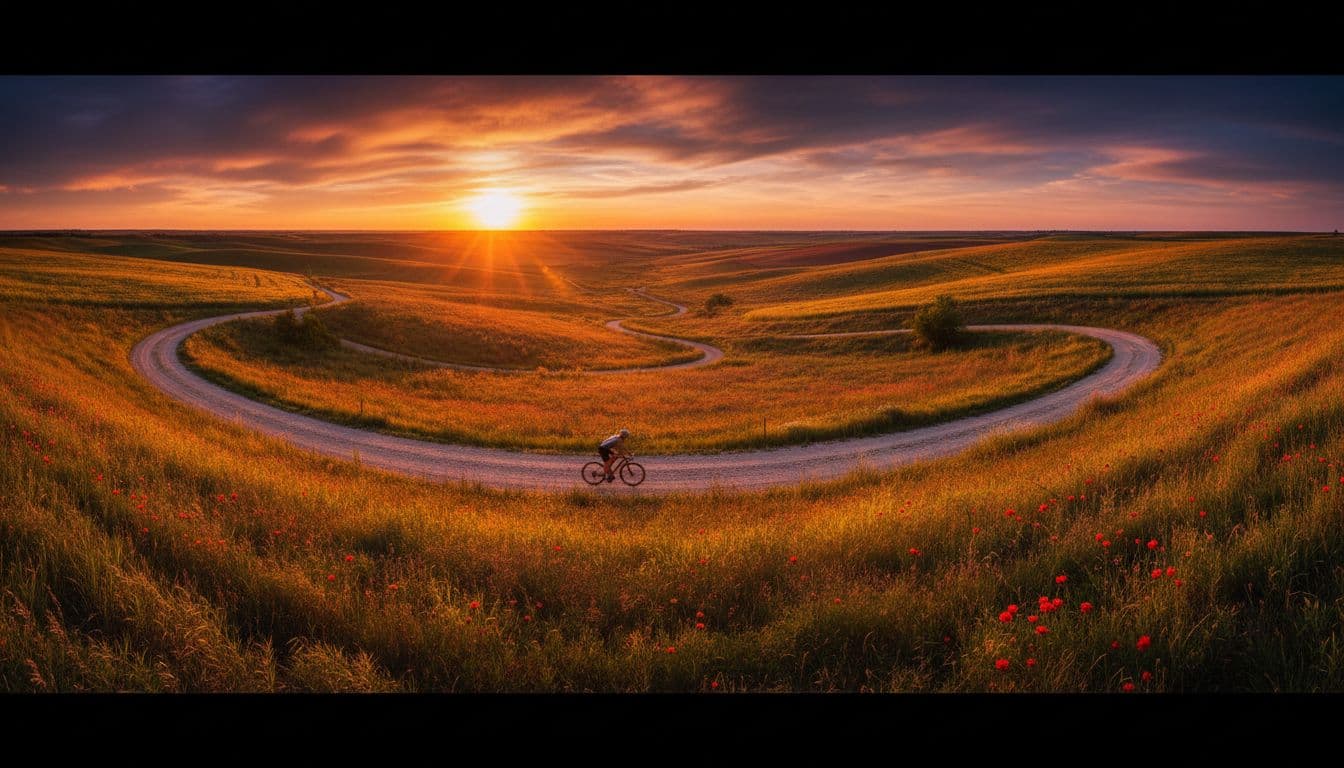
How a working family farm could host a cycling event
A working farm can do things a tight urban site often can’t. It can handle parking. It can create a clear start and finish zone. It can give spectators sightlines across open ground, so families and volunteers can follow the action without chasing riders all day.
That doesn’t mean it’s easy. A farm event asks for planning because race day has to fit around real land use. Routes must avoid problem spots, traffic needs control, and volunteers need room to move. Still, the public event material tied to Palen Family Farms shows a venue built for visitors as well as farming, which helps explain how bicycle racing could take root there.
For riders, that mix had appeal. The venue felt rural, but not remote in a bad way. It felt purposeful, like the land had enough room for both work and play.
The early years of bicycle racing at Palen Family Farm
The clearest public thread in this history runs through Cruise the Blues. Available records point to that event as the race most closely associated with Palen Family Farm over time, and they suggest that off-road or mountain bike-style racing, not classic road racing, formed the heart of the tradition.
A quick timeline helps set the story.
| Period | What public records show | What it suggests |
|---|---|---|
| Early 2000s | A 2022 Kansas race flyer says the farm had been home to Cruise the Blues for the past 19 years | Racing at the farm likely began around 2003 |
| 2022 | The site hosted “Fat Tires on the Farm” and referenced the long Cruise the Blues run | The venue had an established race history |
| 2025 to 2026 | Public event pages still list races at the farm | The racing tradition continued well beyond its start |
The takeaway is simple: this wasn’t a one-season novelty.
Who organized the first races and what inspired them
Some local sports histories come with a neat founder list. This one doesn’t, at least not in the records that are easy to verify today. That gap is common in grassroots racing. Volunteers stay busy making the event happen, not archiving it.
Even so, the Cruise the Blues event page and later race materials show that the farm became a consistent host, which points to a steady partnership between the Palen family and regional cycling organizers. The goal seems plain from the format and setting: create a race worth traveling for, without losing the local feel.
By 2022, a Kansas league flyer for Palen Farm described the property as a fourth-generation farm with more than 100 years of history and the home of Cruise the Blues for the past 19 years. That one line says a lot. It places the race in the early 2000s and shows that the venue had already become part of Kansas bike culture.
What those first race days were probably like
The public record doesn’t preserve every first-morning detail, but the shape of those days is still easy to imagine. Riders likely rolled in early, parked near barns or open field edges, signed waivers at folding tables, and watched volunteers finish course marking while the wind pushed across the property.
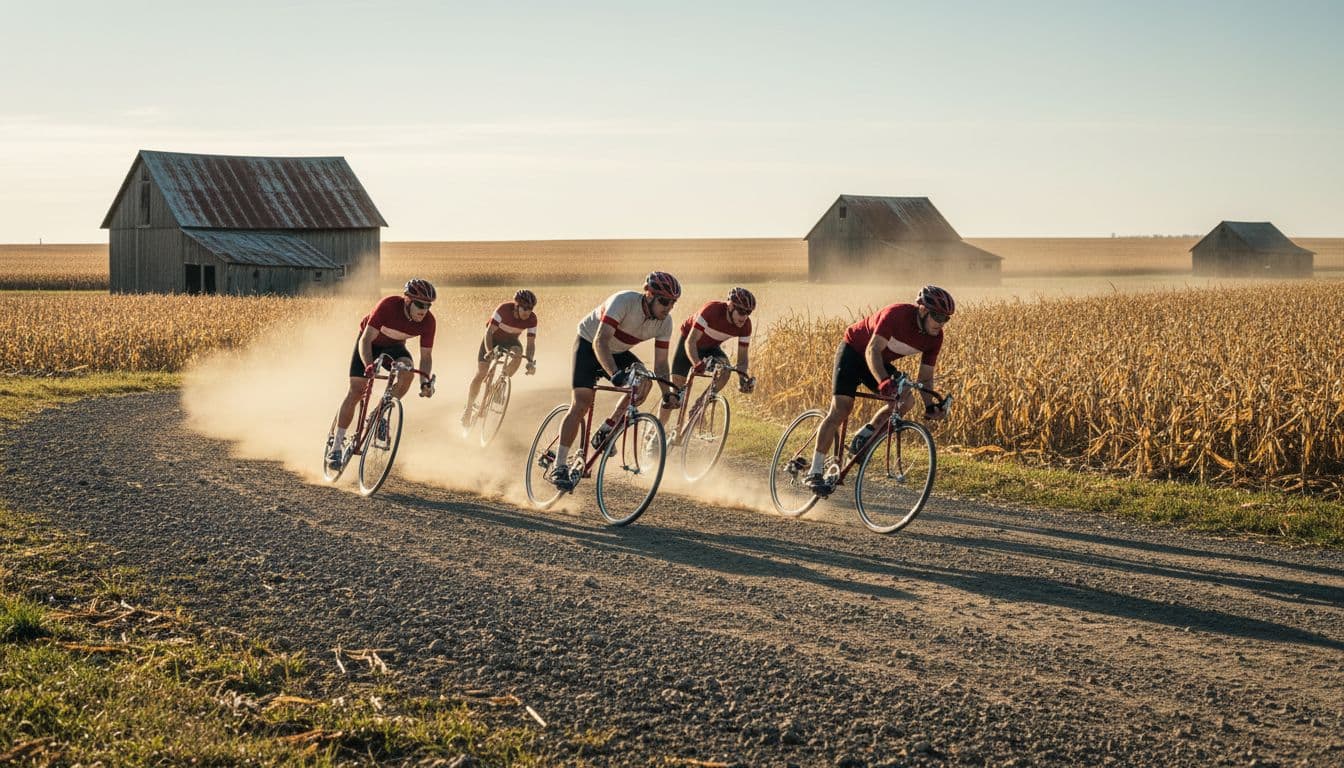
Weather would have set the tone. In Kansas, dry ground can turn fast and dusty. A wet patch can slow a whole section. That unpredictability is part of the draw. It makes a farm race feel alive, almost like the course has a mood of its own.
The venue didn’t need stadium polish. It needed committed hosts, clear markings, and riders ready to meet the land on its terms.
How the races grew and earned a local reputation
Word of mouth probably did more for Palen Family Farm than any ad buy ever could. Riders talk. If a course is dull, they say so. If a venue has heart, they say that too.
Palen’s reputation seems to have grown because it offered both challenge and welcome. The terrain had enough bite to matter, while the setting felt personal. That balance is rare. Some races are scenic but soft. Others are hard but forgettable. Palen appears to have landed in the middle, tough enough to earn respect, warm enough to bring people back.
Course changes, tougher conditions, and better race organization
As events mature, they usually tighten up in predictable ways. Starts get cleaner. Course markings improve. Class structure becomes clearer. Parking flows better. While every one of those changes isn’t documented year by year, later race use at the farm strongly suggests that the venue kept improving.
That shows up in the move from a long-running adult race tradition to organized youth racing. The same 2022 flyer tied Palen Farm to “Fat Tires on the Farm,” and the current Kansas Interscholastic Cycling League event schedule still lists Palen Family Farms as a race site. A youth league doesn’t choose a venue by accident. It needs a workable layout, dependable hosts, and a course that can challenge riders without turning into chaos.
So the farm’s history isn’t only about surviving. It’s about adapting.
Why riders kept coming back to Palen Family Farm
Kansas has no shortage of open roads and rough ground. Still, riders don’t return to a venue year after year unless something about it sticks.
Part of that pull was the course itself. Rolling terrain and exposed wind can humble strong riders fast. Another part was the farm setting. Racing on private agricultural land carries a different feel than circling a city park. It feels earned, almost like being let in on a local secret.
The rest came down to hospitality. That matters more than many promoters admit. People remember whether parking made sense, whether volunteers were helpful, and whether the venue felt glad to have them. In other words, Palen Family Farm appears to have built a race identity that felt human, not canned.
The people, stories, and community impact behind the races
No race happens because a course exists on paper. It happens because people show up early, stay late, and do the boring work no one sees in the finish photos.
That may be the strongest lesson in this story, especially for dealership owners and staff. Grassroots loyalty doesn’t come from slogans. It comes from repeated, face-to-face effort. For readers at Powersport Academy, that pattern should sound familiar.
How the Palen family and local volunteers made race day work
Behind every smooth event is a pile of unglamorous labor. Someone sets signs. Someone directs parking. Someone hauls supplies, answers questions, and picks up trash after the racers leave. Farm races add another layer because the hosts are also caring for property that matters long after the tape comes down.
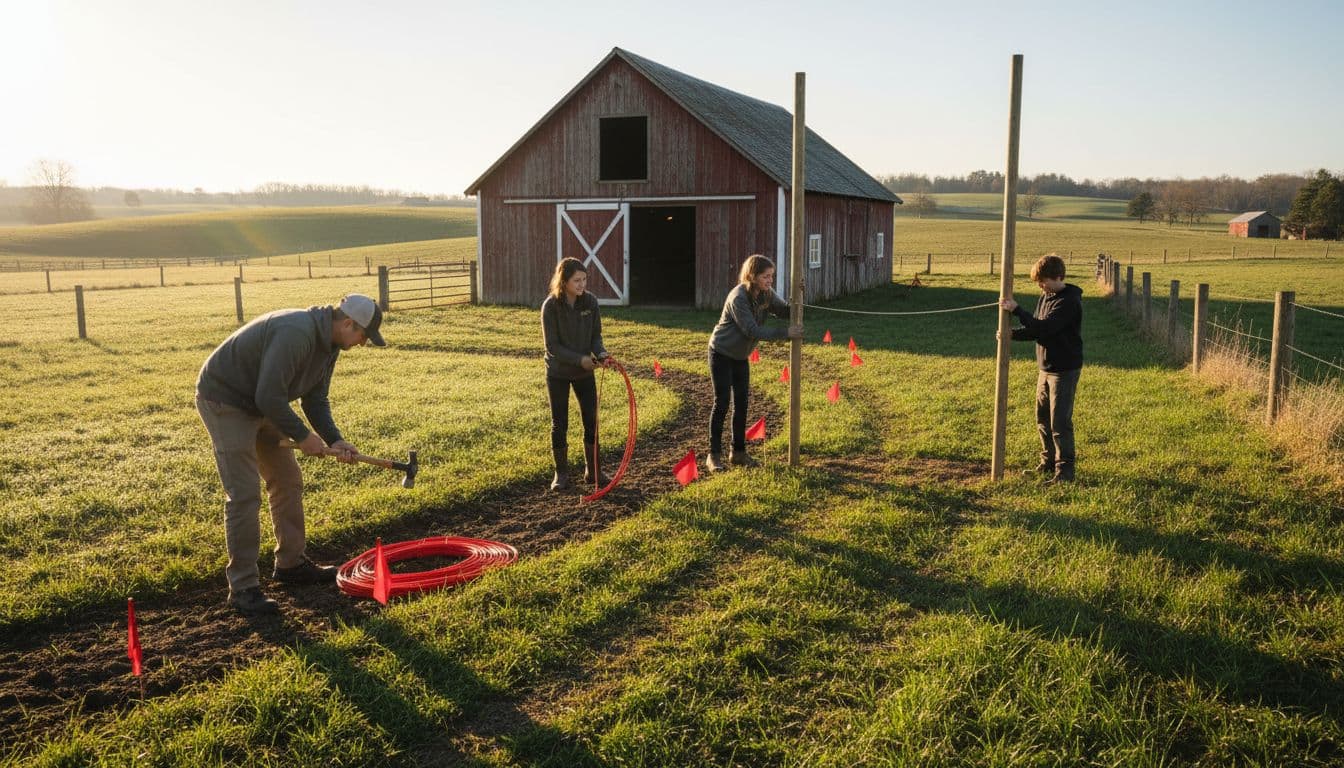
At Palen, that labor seems central to the event’s identity. The farm’s own language about a long heritage of stewardship fits the racing story too. A venue like this works because hosts treat visitors as guests, not interruptions.
What the races meant to Glen Elder and the riders who showed up
For Glen Elder, the value likely reached past the course tape. Repeat visitors buy gas, food, and supplies. They also carry the town’s name back home. In a small place, that kind of goodwill matters because community reputation travels person to person.
For riders, the meaning was more personal. Some came for competition. Others came for the setting, the people, or the ritual of returning each season. Over time, those reasons stack up and turn an event into memory.
Small events build strong loyalty because they feel personal from the first parking spot to the final handshake.
That’s why this history matters. It shows how a farm race can become part of a town’s identity without ever becoming flashy or huge.
Palen Family Farm’s bicycle racing story deserves to be kept, because grassroots history disappears fast when no one writes it down. The public record shows enough to say this with confidence: the farm became a real and lasting stop in Kansas cycling, shaped by land, effort, and repeat trust.
If you know this history firsthand, save the flyer, label the photo, and tell the story. Places like Palen Family Farm prove that local races don’t have to be famous to leave a mark.

